Orthodontics
Invisalign vs. Traditional Braces: Which Is Right for You?
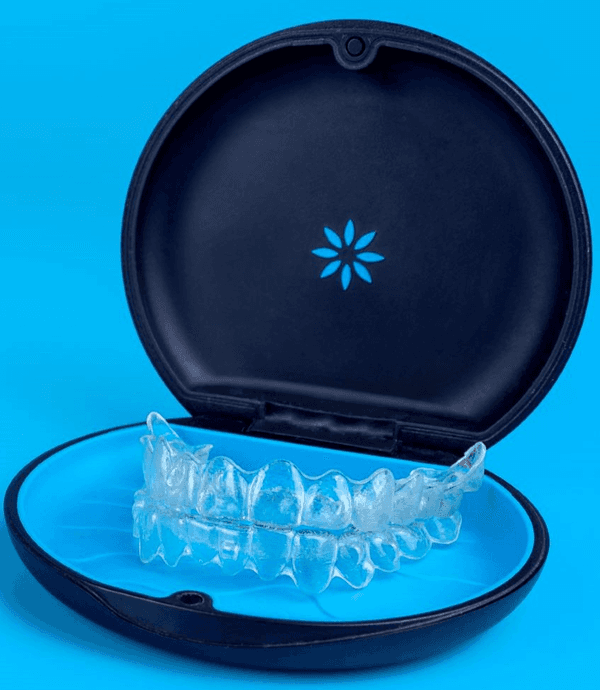
Straightening your teeth is one of the most impactful investments you can make in your oral health and confidence. But with multiple options available, the decision between Invisalign clear aligners and traditional metal braces can feel overwhelming. Here is a straightforward comparison to help you make an informed choice.
How Each Treatment Works
Traditional braces use metal brackets bonded to each tooth, connected by wires and elastic bands. Your orthodontist adjusts the wires periodically to gradually shift teeth into their desired positions. Treatment typically involves office visits every 4 to 6 weeks.
Invisalign uses a series of custom-made, removable clear aligners. Each set of aligners is worn for about two weeks before moving to the next set in the series. The aligners apply controlled pressure to specific teeth at each stage, achieving gradual movement without brackets or wires.
Appearance and Comfort
This is where Invisalign has a clear advantage for many patients. The aligners are virtually invisible, making them a popular choice for adults and professionals who want to straighten their teeth without the look of traditional braces.
Comfort is another consideration. While both options involve some pressure as teeth move, Invisalign aligners have smooth edges and no metal components that can irritate cheeks and gums. Traditional braces can cause soreness after adjustments and may require wax to protect soft tissues.
Treatment Time
For mild to moderate cases, Invisalign treatment typically takes 6 to 18 months. Traditional braces usually require 18 to 36 months, though this varies significantly based on the complexity of the case.
For severe crowding, significant bite issues, or complex tooth movements, traditional braces may actually achieve results more efficiently. Your dentist can assess which option is most effective for your specific situation.
Lifestyle Considerations
Invisalign aligners are removable, which means you can eat whatever you want, brush and floss normally, and take them out for special occasions. However, they must be worn 20 to 22 hours per day for effective treatment. Discipline is essential.
Traditional braces are fixed, so there are no compliance concerns, but you will need to avoid certain foods (hard candy, popcorn, sticky snacks) and spend more time on oral hygiene around the brackets.
Cost Comparison
The cost of both treatments varies based on complexity and duration. In general, Invisalign and traditional braces fall within a similar price range, typically between $3,000 and $7,000. Many dental insurance plans cover orthodontic treatment regardless of the method. Financing options and in-house payment plans can make either option accessible.
Which Option Is Best for You?
The right choice depends on your specific dental needs, lifestyle, and preferences. Invisalign excels for mild to moderate alignment issues, especially for adults who value discretion. Traditional braces remain the gold standard for complex cases requiring precise tooth and jaw movement.
The best first step is a consultation with a dentist experienced in both options. At Cafe Smile Studio in Highland Village, Dr. Neha Gupta evaluates each patient individually and recommends the approach that will deliver the best results for your unique smile. Schedule your consultation today.

+1 (972) 317-0551
+1 (972) 317-0552
info@cafesmilestudio.com
2330 Justin Rd, Suite 300,Highland Village, TX 75077
© 2024-2026 Cafe Smile Studio. All rights reserved.