Cosmetic Dentistry
Dental Veneers vs. Cosmetic Bonding: Choosing the Right Option for Your Smile
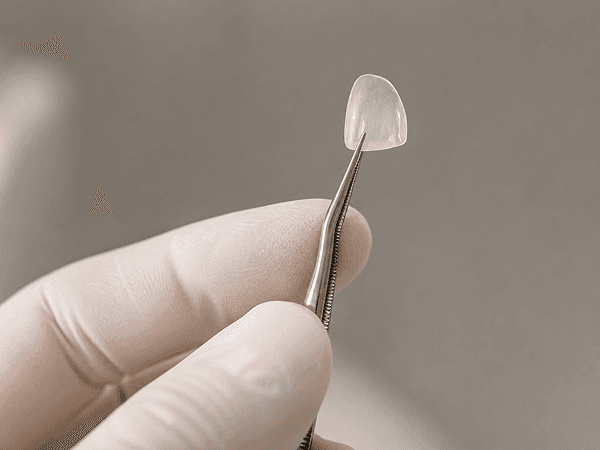
When patients want to improve the appearance of their teeth, whether for chips, gaps, discoloration, or uneven shapes, two of the most common options are dental veneers and cosmetic bonding. Both can deliver beautiful results, but they differ significantly in cost, durability, and approach. Here is how to decide which is right for you.
What Are Dental Veneers?
Veneers are thin shells of porcelain (or in some cases, composite resin) that are custom-made and permanently bonded to the front surfaces of your teeth. Porcelain veneers are fabricated in a dental lab to match your desired shade, shape, and size, then bonded in place during a second appointment.
The process typically requires two visits: one for preparation (a small amount of enamel is removed to create space for the veneer) and impressions, and a second for placement.
What Is Cosmetic Bonding?
Cosmetic bonding uses a tooth-colored composite resin that your dentist sculpts directly onto the tooth in a single appointment. The resin is shaped, hardened with a curing light, and polished to blend seamlessly with your natural teeth.
Bonding is less invasive than veneers. In most cases, little to no enamel removal is needed, making it a more conservative and reversible option.
Durability and Longevity
Porcelain veneers are highly durable and stain-resistant, typically lasting 10 to 20 years with proper care. The porcelain material closely mimics the light-reflecting properties of natural tooth enamel, creating a lifelike appearance that maintains its luster over time.
Composite bonding is less durable, typically lasting 5 to 10 years. The resin material is more susceptible to staining and chipping and will require touch-ups or replacement sooner. However, repairs are quick and straightforward.
Cost Comparison
Cosmetic bonding is significantly more affordable, typically ranging from $300 to $600 per tooth. Porcelain veneers are a larger investment, ranging from $1,000 to $2,500 per tooth.
When evaluating cost, consider the long-term picture. Veneers cost more upfront but may require fewer replacements over time, while bonding is budget-friendly today but will need periodic maintenance.
Best Use Cases
Cosmetic bonding is ideal for: small chips or cracks, minor gaps between teeth, reshaping a single tooth, patients on a budget or those wanting a conservative first step.
Dental veneers are ideal for: comprehensive smile makeovers, moderate to severe discoloration, multiple teeth that need uniform improvement, patients who want the longest-lasting result.
Which Should You Choose?
The best choice depends on your goals, budget, and the specific issues you want to address. Some patients start with bonding on one or two teeth and later upgrade to veneers. Others invest in veneers from the start for a complete transformation.
At Cafe Smile Studio in Highland Village, Dr. Neha Gupta offers both options and provides honest guidance on which approach will deliver the best outcome for your unique situation. Schedule a cosmetic consultation to explore your options.

+1 (972) 317-0551
+1 (972) 317-0552
info@cafesmilestudio.com
2330 Justin Rd, Suite 300,Highland Village, TX 75077
© 2024-2026 Cafe Smile Studio. All rights reserved.